

Autism & AuDHD Counselling in Abbotsford, BC
You don't need to become less Autistic. You deserve to better understand your brain, your nervous system, and yourself.
"Many Autistic people don't spend their lives trying to become someone else. They spend their lives wondering why being themselves has felt so difficult."
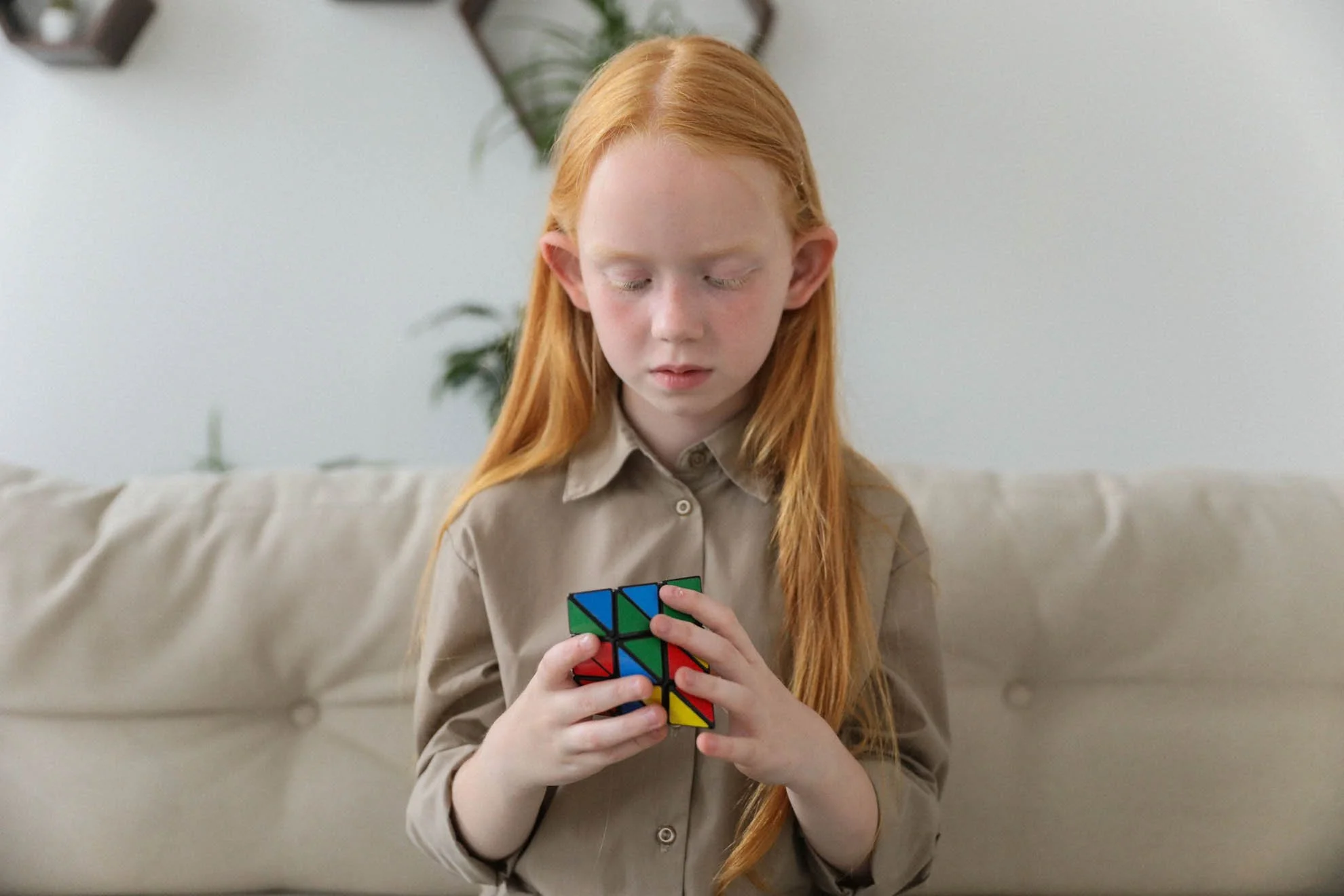

Whether you've recently been diagnosed with Autism, suspect you may be AuDHD, identify with PDA traits, or have simply spent your life feeling like you experience the world differently - therapy can help you make sense of your experiences with compassion rather than criticism.
At RenHaven Therapy, we provide neurodivergent-affirming therapy for Autistic and AuDHD adults, teens, and children. Our goal isn't to help you "fit in." It's to help you understand yourself, reduce overwhelm, heal from relational wounds, and build a life that works with your brain - not against it.
Many of the people we work with arrive carrying years of questions:
Why does life seem so much harder than it appears to be for everyone else?
Why do relationships feel so confusing?
Why am I always so exhausted?
Some have recently received an Autism or AuDHD diagnosis. Others are only beginning to recognize themselves in descriptions of sensory sensitivity, social masking, or lifelong feelings of being "different."
Whatever brought you here, you don't have to figure it out alone.

Living with an Autistic Brain
You may have spent years wondering why everyday life requires so much energy.
Perhaps you've always felt different without knowing why. Maybe you've quietly wondered why life seems easier for everyone else - why everyday situations feel exhausting, why you seem to work harder than those around you just to keep up.
You may become overwhelmed by noise, lights, crowds, unexpected changes, or simply having too much happening at once. You might rehearse conversations before they happen, replay them afterward, or leave wondering whether you misunderstood what someone meant - or whether they misunderstood you.
For many Autistic people, relationships become one of the hardest parts. You care deeply about the people in your life, yet it can feel like everyone else communicates through an invisible set of rules you were never taught.
To cope, many Autistic and AuDHD individuals become remarkably skilled at masking. You may study social interactions, monitor your facial expressions, suppress stims, force eye contact, or push through sensory overwhelm because you've learned that's what's expected.
From the outside, others see someone capable, successful, thoughtful, independent.
On the inside, you're carrying an enormous mental load.
Many Autistic people describe living with a nervous system that rarely gets the chance to fully relax. Years of adapting to environments that don't fit your neurotype can contribute to chronic stress, anxiety, perfectionism, burnout, and a deep sense of loneliness.
At RenHaven Therapy, we don't see Autism as something to fix. We see it as a different way of experiencing the world - one that deserves curiosity and understanding.

You Deserve More Than Coping Strategies
Better understand your brain and nervous system
Heal from years of masking, burnout, and chronic misunderstanding
Build relationships where you can be fully yourself

Our Approach
Therapy at RenHaven looks different than traditional behavioural approaches.
Rather than focusing on helping you appear more neurotypical, we begin by understanding how your brain and nervous system naturally work. Together, we become curious about your sensory experiences, emotional world, relationships, strengths, challenges, and the ways you've adapted over the years.
Many of those adaptations - masking, perfectionism, people-pleasing, avoiding conflict, constantly analyzing social situations - developed for good reasons. They helped you navigate environments where feeling understood wasn't always possible.
Rather than judging these protective strategies, we seek to understand them.
Our therapists integrate experiential approaches including Internal Family Systems (IFS), AEDP, EMDR, Art Therapy, and attachment-based therapy to support both your neurotype and the experiences you've carried throughout your life.
Instead of asking, "How can I become more like everyone else?" - we begin asking, "What does my nervous system need to feel safe, connected, and fully alive?"
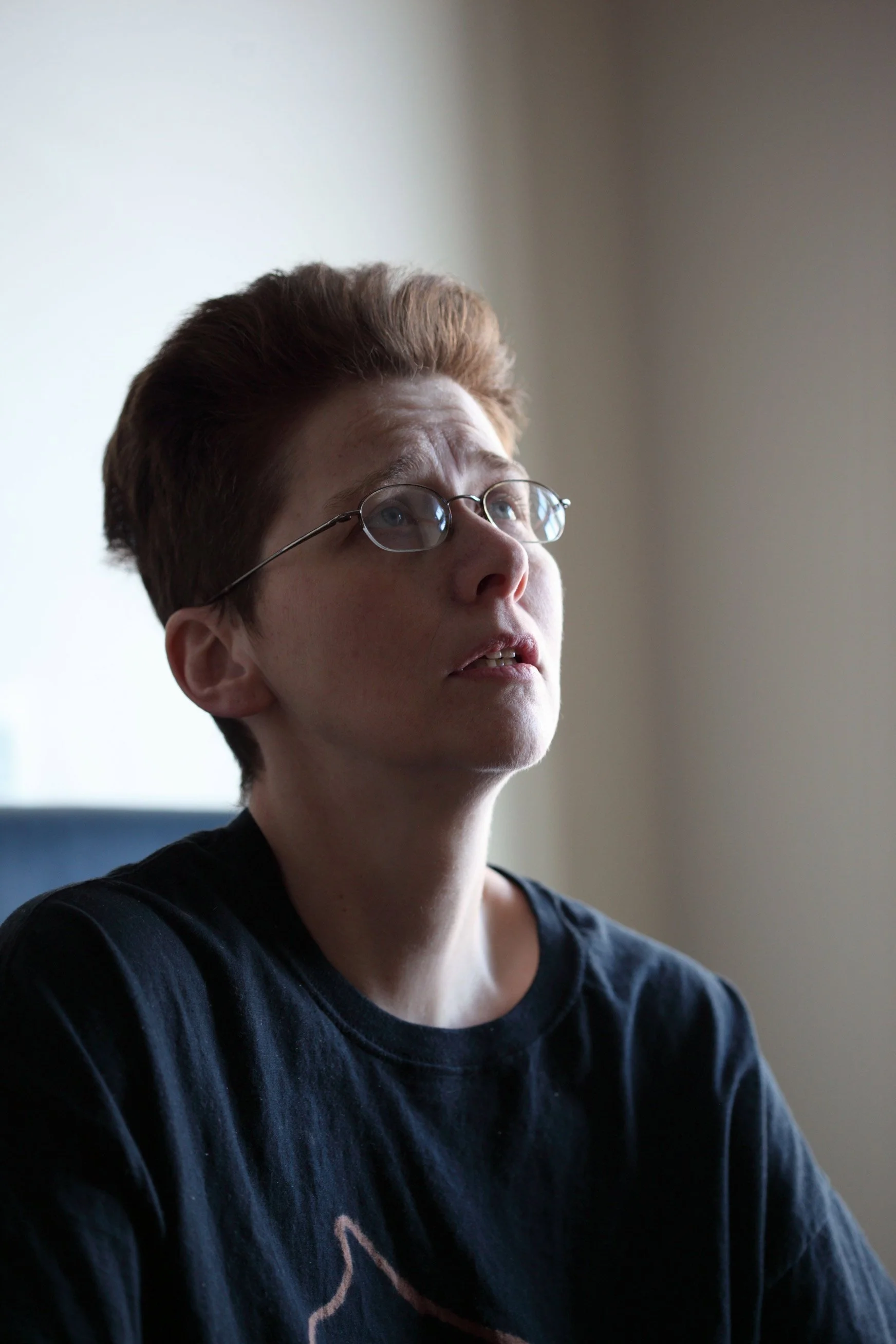
When Autism Meets Trauma
One of the questions we often explore in therapy is: Is this Autism... or is this trauma?
Often, the answer is both.
Autism itself is not trauma. It's a different neurotype - a unique way of experiencing, processing, and relating to the world.
Yet many Autistic and AuDHD people have spent years living in environments that misunderstood them, dismissed them, or expected them to function in ways that didn't align with how their brains naturally work.
Perhaps you were told you were "too sensitive," "too emotional," "too blunt," or "too much." Maybe you learned that your needs were inconvenient, or that your sensory experiences didn't matter. Maybe you were encouraged to ignore your body's signals in order to fit in.
These experiences may seem small on their own. But over years - or decades - they quietly shape how you see yourself.
Many Autistic adults carry chronic anxiety, perfectionism, burnout, emotional shutdown, or deep self-doubt - not because they are broken, but because their nervous systems spent years adapting to environments that didn't feel safe.
At RenHaven, we don't assume every struggle is Autism, and we don't assume every struggle is trauma. Together, we gently explore what belongs to your neurotype, what developed as protection, and what your nervous system has been carrying.
Sometimes your sensitivity doesn't need to be reduced. It needs to be respected.
Sometimes your need for predictability isn't something to overcome - it's something to honour. Sometimes what looks like avoidance is actually a nervous system asking for safety.
Healing isn't about becoming less Autistic. It's about understanding your neurotype with compassion while gently healing the wounds that developed along the way.
As that understanding grows, what once felt like personal failure begins to make sense. Shame gives way to self-compassion. Confusion gives way to clarity.
Understanding Relationships Through an Autistic Lens
For many Autistic and AuDHD individuals, one of the greatest challenges isn't sensory overwhelm - it's trying to make sense of relationships.
You may care deeply about the people in your life, yet leave conversations wondering:
Did I say something wrong?
What did they actually mean?
How did we end up misunderstanding each other again?
It can feel as though everyone else communicates through rules you were never taught.
Sometimes you communicate honestly and directly while others expect you to read between the lines. A family member assumes you're upset when you're simply processing. A friend believes you're uninterested when you're actually overwhelmed. A partner interprets your need for solitude as rejection, when you're simply trying to regulate your nervous system.
These moments usually aren't about a lack of caring. They're the result of two people experiencing the world differently - both with good intentions, yet continually missing each other.
Over time, repeated misunderstandings become relational wounds. You may begin replaying conversations long after they've ended, apologizing for your needs before anyone asks, masking more, or wondering whether you're simply "too much" or "not enough."
Many Autistic people don't come to therapy because Autism is the problem. They come because years of misunderstanding have left them exhausted, lonely, or questioning themselves.


Healing in Relationship
At RenHaven, we believe healing begins in relationship.
Many Autistic people have spent years feeling alone, not because they wanted to be, but because they rarely felt deeply understood.
Through a safe therapeutic relationship, we become curious together about your inner world. We slow down. We make sense of experiences that may have never had words before.
When your experiences are met with curiosity instead of judgment, something shifts. Your nervous system begins to soften. Shame loosens its grip. And perhaps for the first time, you don't have to carry your experiences alone.
How Therapy Can Help
Understanding Your Neurotype
Making sense of a late Autism diagnosis or self-identification
Exploring AuDHD, PDA traits, or sensory processing differences
Understanding executive functioning challenges
Relationships & Communication
Healing attachment wounds and relational trauma
Navigating communication with greater confidence
Strengthening boundaries and self-advocacy
Healing & Nervous System Support
Recovering from autistic burnout
Reducing masking and building authenticity
Processing anxiety, shame, perfectionism, and self-criticism
Understanding sensory overwhelm and nervous system regulation
Parenting
Parenting as an Autistic adult
Supporting your Autistic child or teen

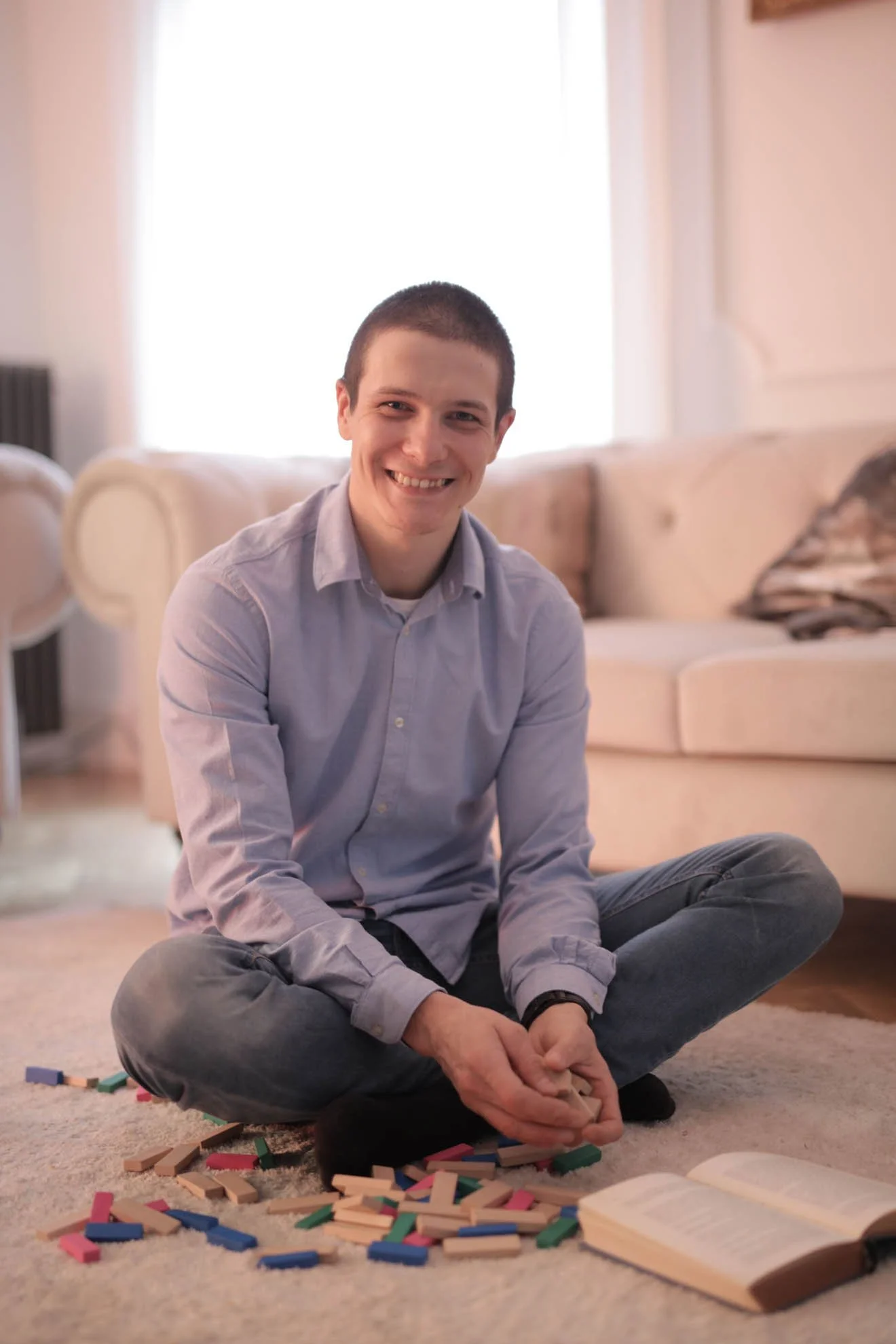
You Don't Have to Keep Wondering
Whether you're newly diagnosed, exploring the possibility of Autism or AuDHD, or simply longing to understand yourself better - therapy can offer something many Autistic people have rarely experienced:
Being deeply understood.
Not because someone is trying to change who you are. But because they're willing to slow down, become curious, and see the world through your eyes.
Your brain isn't broken. It's been navigating a world that wasn't designed with your nervous system in mind.
Together, we'll help you understand your neurotype, support your nervous system, heal the wounds you've been carrying, and build relationships - and a life - that honour who you've been all along.

Frequently Asked Questions
Understanding Autism
-
Autism is a neurotype characterized by differences in sensory processing, social communication, and patterns of thinking and behavior. AuDHD refers to someone who is both Autistic and has ADHD - a common combination. The two can mask or amplify each other, which is one reason many AuDHD individuals are diagnosed later in life or misdiagnosed altogether.
-
Yes. Many Autistic adults - especially women and those who masked effectively - were missed in childhood. Diagnostic criteria were historically based on presentations more common in young boys, and many people learned to camouflage their differences. A late diagnosis or self-identification can still be meaningful and valid.
-
No. While a formal diagnosis can be helpful for accessing certain services or for personal clarity, it isn't required to work with us. Many people find value in exploring their neurotype through therapy whether or not they pursue formal assessment.
What to Expect in Therapy
-
It means we don't treat Autism as a disorder to fix. We won't ask you to mask more effectively or become "less Autistic." Instead, we work to understand how your brain and nervous system function, honour your sensory and relational needs, and help you heal from experiences that may have caused harm - without pathologizing who you are.
-
That's a question we explore together. Many people arrive wondering whether what they experience is Autism, trauma, anxiety, ADHD, or some combination. We don't rush to label - we get curious about your history, your nervous system patterns, and what actually helps you feel regulated and connected.
-
Therapy can help you become more aware of when and why you mask, and support you in making intentional choices about it. For many people, reducing masking is part of recovery from burnout. That said, masking isn't always something to eliminate - sometimes it's a tool you choose to use. The goal is flexibility and self-understanding, not a new set of rules.
For Parents
-
A diagnosis can bring up a lot of feelings - relief, grief, confusion, or all of the above. Therapy can help you make sense of what the diagnosis means, understand your child's needs more deeply, and learn how to support them without trying to change who they are.
-
Very. Autism runs in families, and many parents begin recognizing their own neurodivergence after their child is diagnosed. If this resonates, we're happy to explore it with you - either alongside your child's care or in your own individual therapy.